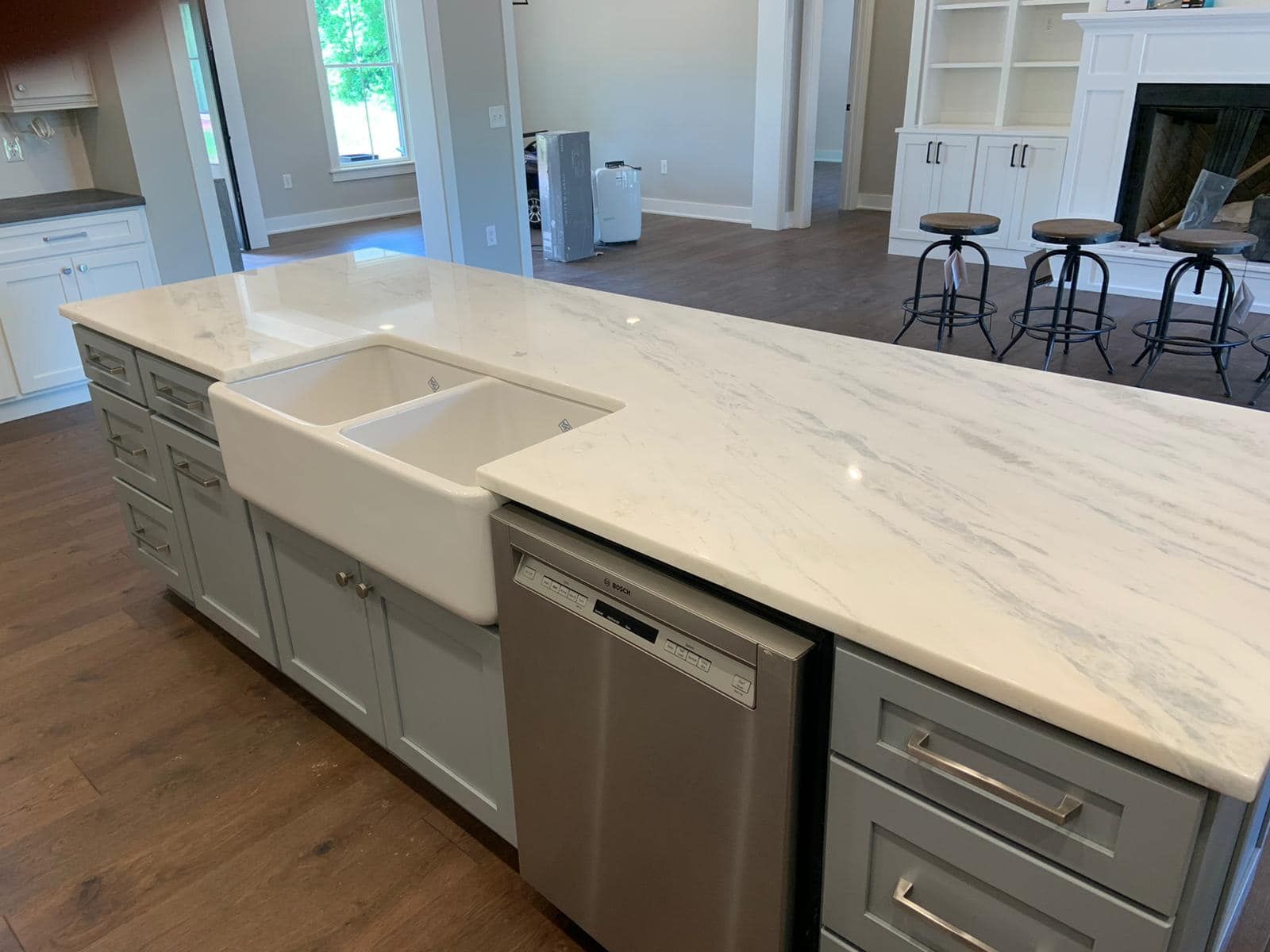
Why Countertops Crack or Etch After a Holiday Cooking Marathon
Holiday cooking puts more heat, hot pans, and heavy use on a kitchen countertop than almost any other stretch of the year, and every January we hear from a few homeowners across the Easley area who noticed a crack or a dull etched spot they had not seen before the holidays. It can feel like the countertop failed under pressure, but in most cases the actual cause traces back to something specific rather than the material simply being too fragile for real cooking.
Understanding what actually causes cracking or etching, and which materials handle a holiday cooking marathon better than others, makes it a lot easier to prevent next year and to know what you are actually looking at if it already happened.
What We Cover:
1. Why Cracking Usually Isn't About the Stone Itself
2. Why Etching Shows Up on Some Countertops and Not Others
3. Why DIY Repairs Can Make a Small Issue Worse
4. Frequently Asked Questions
Why Cracking Usually Isn't About the Stone Itself
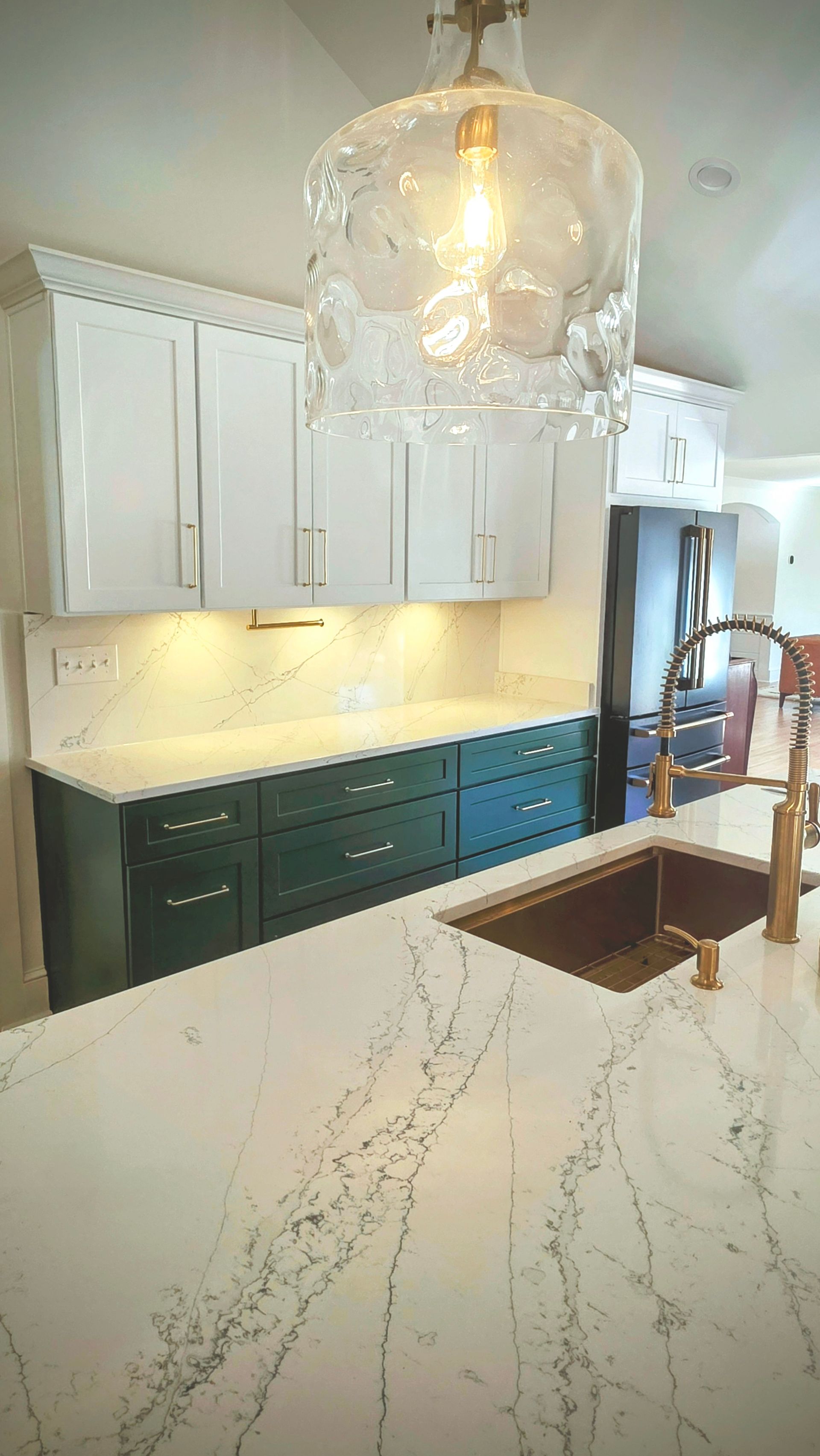
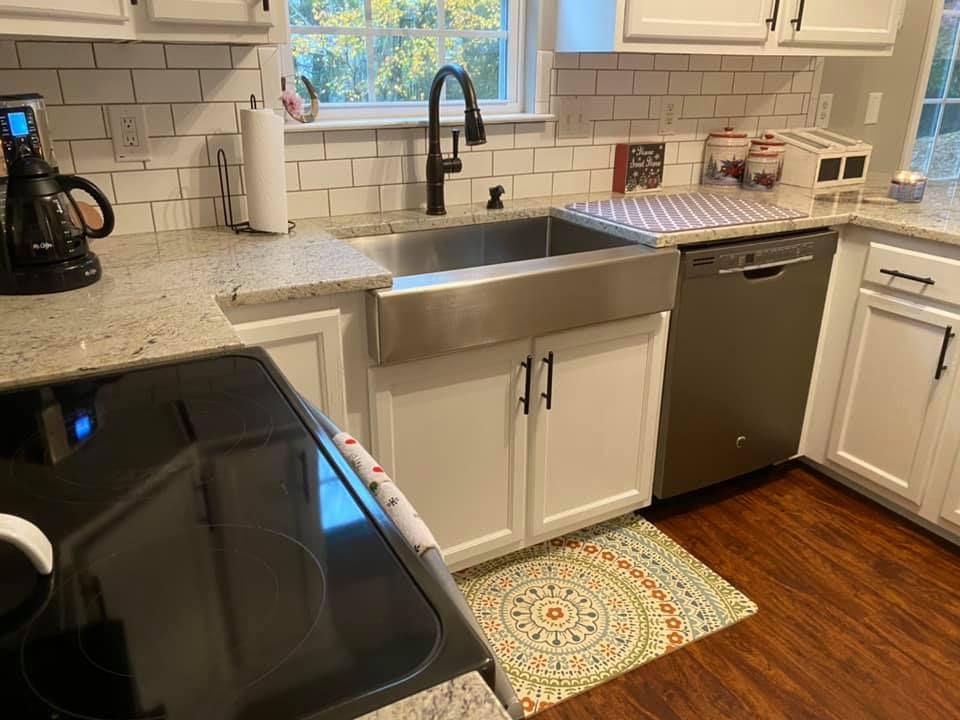
Granite is genuinely durable, so a crack that shows up after a holiday cooking stretch is far more likely to trace back to thermal shock, uneven support underneath the slab, or an existing stress point near a seam or sink cutout than to the material failing on its own. Setting a hot pan straight from the oven onto one specific spot repeatedly, especially near an edge or seam, creates a temperature difference across the stone that it was never designed to absorb in that concentrated way.
This is exactly the kind of installation quality our customers notice once their project is finished.
► Client Experience: Rachael Valentine: "Couldn't say enough great things about this company! They just got our kitchen countertops installed and they look absolutely beautiful!!"
A properly supported slab, installed with attention to how it is braced underneath, holds up to normal holiday cooking a lot better than one where support was an afterthought.
Why Etching Shows Up on Some Countertops and Not Others
Etching happens when something acidic, like citrus juice, wine, or vinegar-based marinades, sits on a porous stone surface long enough to dull the finish in that spot. Granite resists this reasonably well when properly sealed, while marble and some other natural stones etch more easily, which matters a lot during a holiday season full of citrus garnishes and wine being poured near the counter.
Why DIY Repairs Can Make a Small Issue Worse
A hairline crack or a dull etched spot can be tempting to fix with a store-bought filler or a polishing compound picked up online, but using the wrong product on natural stone can seal in debris, change the sheen unevenly, or make a professional repair more difficult later. Cracks near a sink cutout in particular deserve a professional look, since that area already carries more structural stress than the rest of the slab.
Frequently Asked Questions
Can a Cracked Granite Countertop Be Repaired, or Does It Need to Be Replaced?
Most cracks can be professionally repaired rather than requiring full replacement, especially when caught early. A crack that has spread significantly or sits directly over an unsupported span is more likely to need a larger repair or a partial replacement of that section.
Does Sealing Granite Actually Prevent Etching?
Sealing helps reduce how quickly acidic liquids soak into the stone, which buys time to wipe up a spill before it dulls the surface, but it does not make granite fully immune to etching from something left sitting for an extended period.
Getting Ready for Next Year's Holiday Cooking
A crack or etched spot is annoying, but it is rarely a sign your countertop was a poor choice; it is usually a sign of a specific, fixable cause. If this year's holiday cooking left a mark on your countertops, reach out, and we will take an honest look at what actually happened before recommending a fix.
Share This Blog