5 Hidden Signs Your Kitchen Cabinets Are Failing From Humidity
The air in South Carolina carries heavy moisture that can wreak havoc on interior woodwork if left unchecked. At Quality Granite, Cabinets & Flooring, we often replace worn out storage systems that simply could not handle the local climate. Many homeowners do not realize their kitchen storage is failing until doors refuse to close or shelves begin to sag noticeably under the weight of dishes. Identifying these early warning signs can save you from a complete structural collapse down the road.
Choosing the right materials is essential for longevity in high moisture environments. Investing in proper custom kitchen cabinet solutions ensures your home remains functional and beautiful regardless of the weather outside. We have compiled a list of hidden symptoms that indicate your woodwork is absorbing too much moisture. Recognizing these red flags allows you to take action before the damage becomes irreversible.
What We Cover:
- Tip #1: Inspecting the Edge Banding
- Tip #2: Checking for Hinge Rust and Sagging
- Tip #3: Testing the Drawer Glides
- Tip #4: Looking for Swollen Toe Kicks
- Tip #5: Smelling for Musty Odors
- Fraequently Asked Questions
- Upgrading to Custom Kitchen Cabinet Solutions
Tip #1: Inspecting the Edge Banding
The thin strip of material covering the raw edges of cabinet boxes is often the first place moisture damage appears. When humidity seeps into cheap particle board, the glue holding this veneer strip begins to degrade rapidly. You will notice the material peeling back right around the dishwasher and sink base areas.
• Visual inspection: Look closely at the bottom edges of the doors directly above kettles or coffee makers where steam rises.
• Touch test: Run your finger along the inner lip of the cabinet box to feel for a rough or bubbling texture.
• Trade insight: Once the edge banding separates, the exposed core acts like a sponge and accelerates the destruction of the entire box structure.
Tip #2: Checking for Hinge Rust and Sagging
Metal hardware reacts poorly to constant airborne moisture inside a kitchen environment. The screws anchoring your hinges into the cabinet frame will loosen as the surrounding wood swells and shrinks with the humidity. This creates an uneven alignment where doors scrape against each other or refuse to latch properly.
• Hardware discoloration: Look for orange or brown speckles on the hinge plates inside the cabinet.
• Hinge stability: Gently lift the open door to see if there is excessive play or wiggling at the mounting point.
• Door alignment: Check the top gaps between closed doors to see if they are uneven or sloping downward.
Tip #3: Testing the Drawer Glides
Wooden drawer boxes expand when they absorb moisture from the surrounding air. This expansion puts immense pressure on the metal glide tracks attached to the cabinet sides. If you have to yank your drawers open or shove them hard to close, the internal wood has likely swollen out of its original dimensions.
• Friction test: Pull every drawer out slowly and feel for grinding or catching near the back half of the track.
• Box expansion: Look at the dovetail joints on the side of the drawer box to see if the wood is pulling apart.
• Trade insight: Swollen wood physically bends the metal ball bearing tracks outwards, meaning the entire glide system will eventually snap under normal weight.
Tip #4: Looking for Swollen Toe Kicks
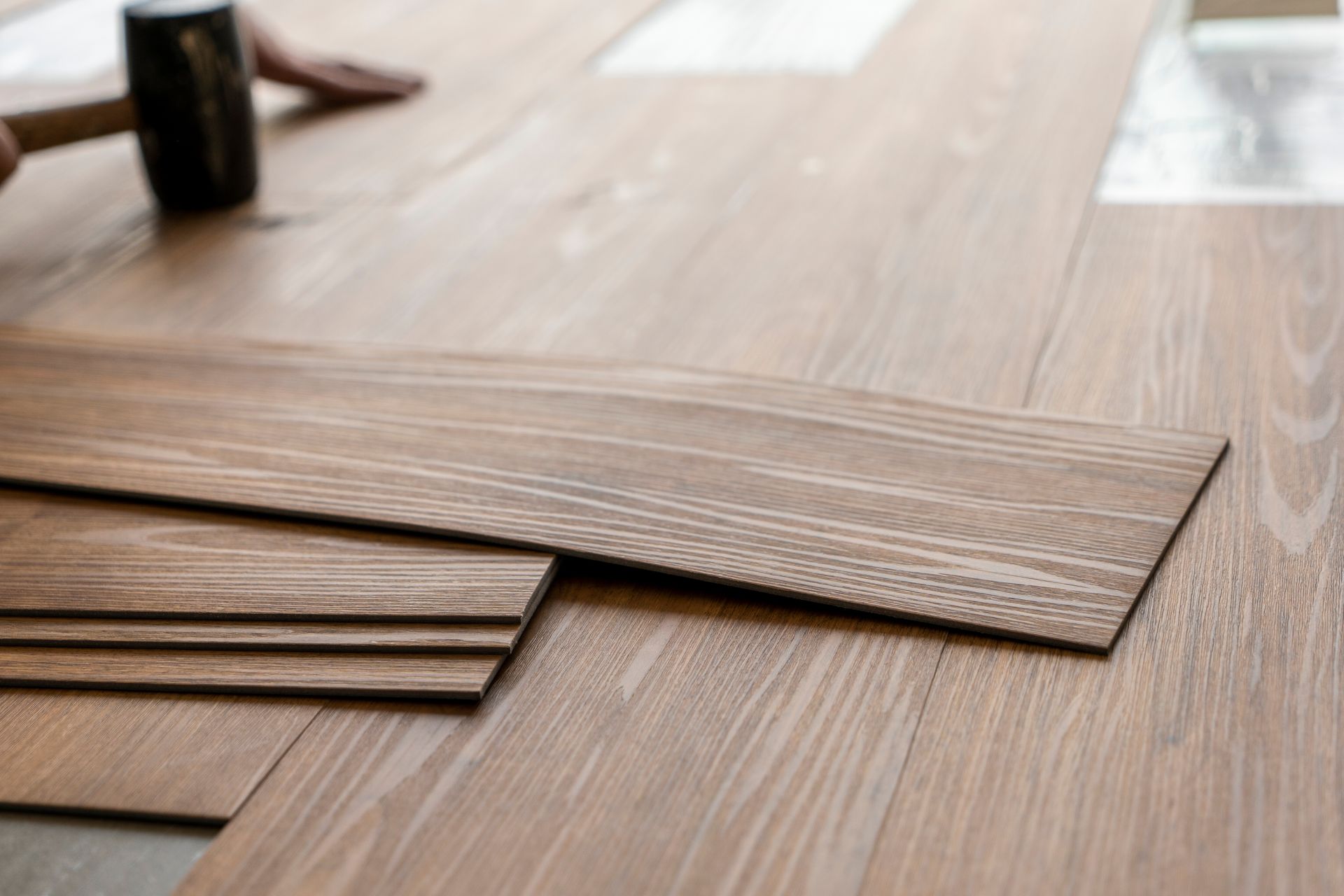
The recessed area at the base of your base cabinets takes the brunt of floor mopping and ambient room humidity. If you have older flooring or a failing LVP flooring installation nearby, moisture easily wicks up into the unprotected baseboards. The wood will begin to look puffy and the paint or finish will flake off.
• Baseboard texture: Shine a flashlight on the toe kick and look for a wavy or bloated appearance.
• Finish flaking: Note any areas where the stain or paint easily chips away with a light touch.
• Structural warning: A failing toe kick indicates the structural sides of the cabinet box are sitting on compromised material.
Tip #5: Smelling for Musty Odors
Sometimes the most obvious sign of moisture damage is not visual at all. The enclosed spaces under sinks or in dark corners trap humid air and create a perfect environment for mold growth. If your dishes or glasses come out of the cupboard smelling stale, the wood itself is holding onto trapped water.
• Scent check: Empty a suspect cabinet entirely and smell the back corners where air circulation is poorest.
• Mildew spotting: Look for faint black or green shadows on the unpainted back panel of the cabinet box.
• Ventilation check: Ensure there are no slow plumbing leaks compounding the ambient room moisture issue.
Frequently Asked Questions
What materials are best for cabinets in humid climates?
Solid wood doors paired with high quality plywood boxes offer the best resistance to ambient moisture. Plywood is constructed with alternating grain layers that naturally resist the warping and swelling common in cheap MDF or particle board. We always recommend avoiding paper backed veneers in Easley kitchens because they delaminate quickly under heavy humidity.
Can warped cabinet doors be fixed?
Minor bowing in a solid wood door can sometimes be corrected by adjusting the tension on European style hinges to pull the frame back into alignment. However, if a door has severely twisted due to moisture saturation, the cellular structure of the wood is permanently changed. In those cases, replacing the door entirely is the only way to ensure it will close securely against the cabinet frame.
How much weight can semi-custom cabinets hold?
A well constructed semi-custom cabinet with half inch plywood sides can easily support heavy stacks of ceramic plates and cast iron cookware. The true load bearing capacity comes from the joinery methods used to attach the back panel to the side walls, rather than just the thickness of the shelves. Proper installation into the wall studs using heavy duty cabinet screws is what ultimately prevents heavy upper boxes from detaching from the wall under load.
Upgrading to Custom Kitchen Cabinet Solutions
Understanding how your storage handles the local climate helps you make smarter choices for your home. Identifying these signs of moisture damage early gives you the chance to upgrade before a total structural failure occurs in your kitchen. We offer solutions built specifically to withstand heavy daily use and challenging environmental conditions. Contact us today to explore durable cabinetry options that will last for years.
Share This Blog