The Truth About Composite Utility Sinks vs. Stainless Steel
Installing a heavy duty wash basin in your garage or laundry room requires picking a material that can take a beating. At Quality Granite, Cabinets & Flooring, we guide clients through the realities of choosing between composite utility sinks options and traditional stainless steel. Both materials are heavily marketed as indestructible, leading many homeowners to expect impossible performance from their work spaces.
Making the right choice comes down to understanding how you actually plan to use the basin on a daily basis. Whether you are scrubbing paint brushes, washing a small dog, or tossing heavy wrenches, each material reacts differently to harsh impacts and abrasive chemicals. We will break down the honest facts about how these surfaces hold up to real world abuse in South Carolina workshops.
What We Cover:
- Material Strengths Under Heavy Daily Use
- The Overestimation of Scratch Proof Surfaces
- Long Term Wear in Harsh Workshop Environments
- Frequently Asked Questions
- Equipping Your Workspace for the Long Haul
Material Strengths Under Heavy Daily Use
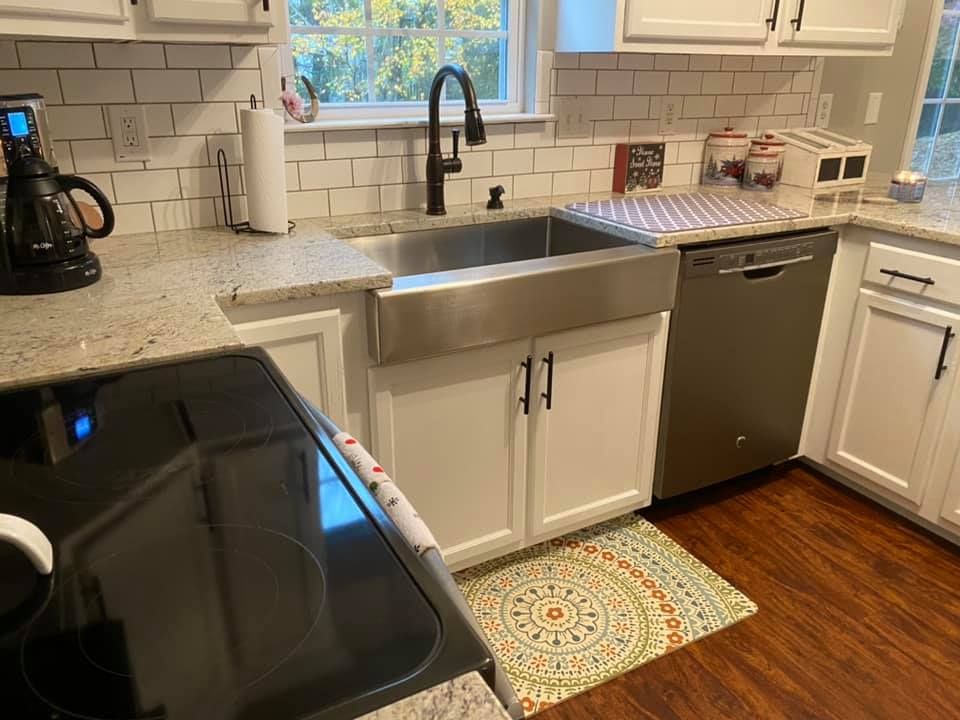
When you drop a heavy hammer or a cast iron pan into a basin, the material absorbs that kinetic energy differently. Stainless steel is highly flexible, meaning a massive impact will likely dent the metal but rarely compromise the water tight seal. This elasticity is why commercial kitchens rely so heavily on metal basins. Composite materials are manufactured from crushed stone dust mixed with acrylic resins to form a highly rigid structure. This rigidity means a severe, localized impact from a heavy tool can cause a composite basin to chip or even crack all the way through.
→ From a professional standpoint: If your daily routine involves tossing heavy metal parts or masonry tools into the basin, the denting of stainless steel is far safer than the shattering risk of composite.
The Overestimation of Scratch Proof Surfaces
Many clients visit our showroom looking for our cabinet sales and sink installation services while holding onto the myth that a work basin will never scratch. Stainless steel shows micro scratches almost immediately upon the first use. These superficial marks eventually blend together to form a dull patina over the years, which is completely normal for the material. Composite sinks are incredibly dense and hide minor scratches much better than metal, keeping their uniform color intact for far longer. However, if a sharp object does manage to gouge a composite surface, that deep scratch cannot be buffed out easily.
→ A quick tip to remember: You can easily hide the inevitable scuffs in a stainless basin by scrubbing in the direction of the factory grain using a standard abrasive pad.
Long Term Wear in Harsh Workshop Environments
The environment surrounding your utility setup dictates how much maintenance the surface will require. Unheated garages or humid outdoor sheds in Piedmont expose materials to wild temperature swings. Stainless steel handles thermal shock perfectly, allowing you to dump boiling water followed by freezing ice without any structural damage. Composite materials hold up well to heat, but extreme, sudden temperature shifts can weaken the resin binders over a decade of use. Additionally, hard water stains and dried paint stand out much more on a dark matte composite finish than they do on reflective metal.
→ From a professional standpoint: Matte composite finishes require regular oiling to prevent a chalky haze from forming on the surface after repeated exposure to harsh degreasers.
Frequently Asked Questions
Will composite sinks crack under heavy impact?
Yes, composite sinks can chip or crack if struck hard enough by a heavy, dense object. Because the material is highly rigid, it lacks the ability to bend or flex under pressure. Dropping a pipe wrench directly onto the corner radius is the most common way these basins suffer structural failure.
Does stainless steel scratch easier than composite?
Stainless steel definitely shows surface level scratches much faster than a composite blend. The metal grain reflects light, making fresh scuffs highly visible to the naked eye. Composite material is colored all the way through and naturally masks light abrasions from daily scrubbing.
Which sink material is hardest to keep clean in a workshop?
Dark composite sinks are notoriously difficult to keep looking clean in a dusty workshop environment. Drywall dust, sawdust, and hard water minerals settle into the microscopic pores of the matte finish, creating a dull white haze. Stainless steel lacks these pores and wipes down cleanly with basic glass cleaner or harsh solvents without absorbing stains.
Equipping Your Workspace for the Long Haul
Accepting the physical limitations of your chosen material is the best way to ensure you remain satisfied with your utility setup. Both options offer incredible longevity when matched with the right type of daily household or workshop chores. Reach out to our design team to discuss your specific needs and find the exact basin built for your lifestyle.
Share This Blog